
Views: … views
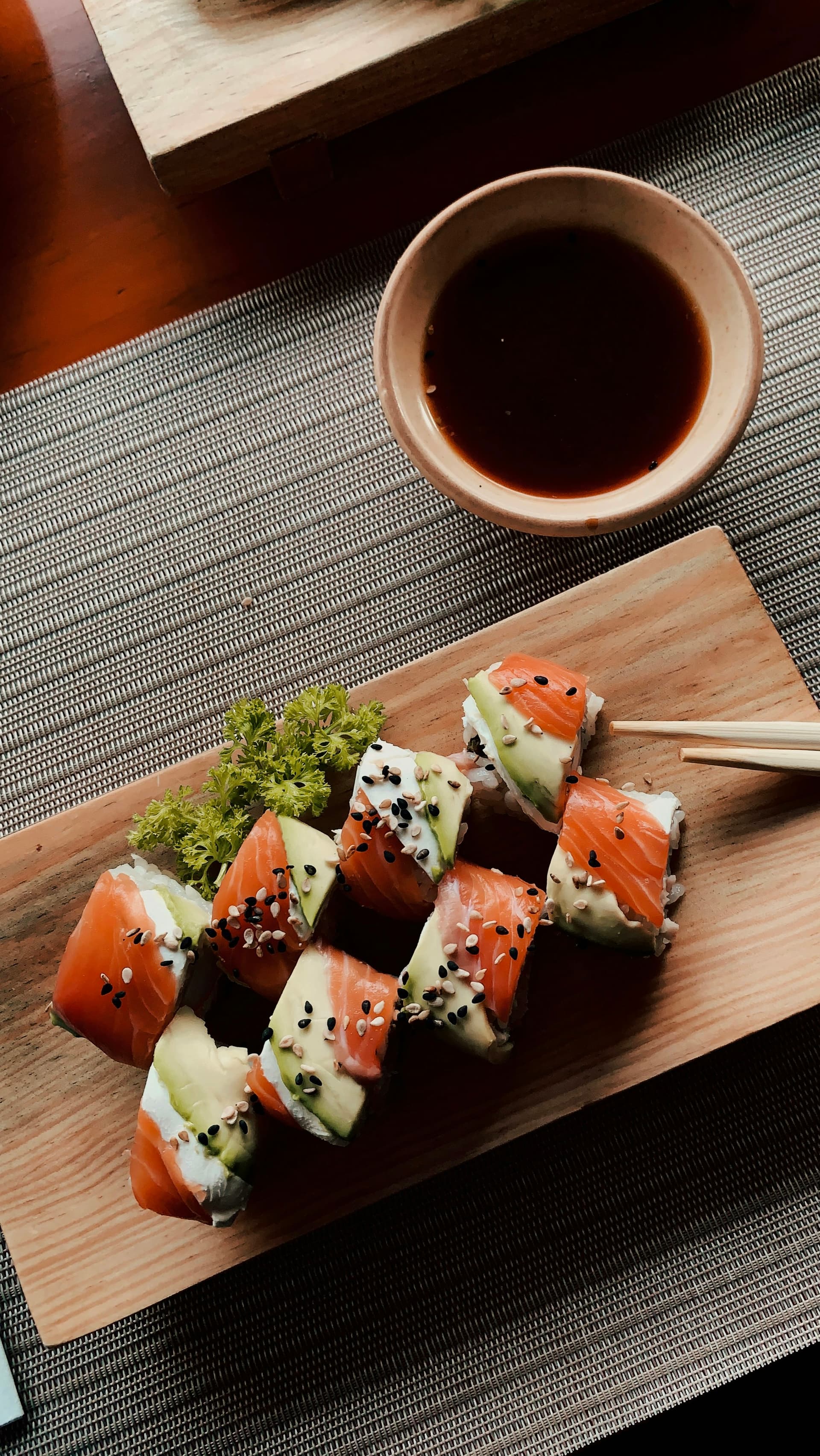
Sushi Bar Confessions from the Omakase Side
Leave the phone. Pick up chopstick discipline. The counter is theater where trust is the price of admission—and the chef is the only director that matters.
Omakase is improv where the cast is fish and you’re the quiet audience member who paid for unpredictability. You don’t drive the menu—the chef does—and that surrender is either exhilarating or panic-inducing depending on how tightly you cling to control. I cling loosely now; rice taught me.
The hook is pacing. Nigiri lands as a single breath: fish, shari, maybe a brush of nikiri, a moment of eye contact that says ‘now.’ Eat when instructed—not to be obedient, but because temperature and texture peak in a window narrower than your group chat drama.
Wasabi under fish is tradition; extra in soy is a negotiation. If you love heat, ask politely. If you flood soy until it looks like tea, the rice dissolves and the chef dies a small death. Dip fish, not rice, when possible—learned that after one salty humiliation I still think about quarterly.
Ginger cleanses; it doesn’t top nigiri like frosting. Use it between pieces like a palate comma, not a costume change.
Conversation at the counter should be light—questions welcome, lectures unwelcome. Chefs work while listening; respect the knife’s rhythm. Tip culturally and generously where appropriate; labor at this level is craft, repetition, and standing for hours.
We left calm, slightly poorer, deeply fed. Omakase isn’t performance for Instagram—it’s trust made edible. Confess your hunger, quiet your phone, and let someone who knows more than you feed you anyway. That’s the counter’s confession: you’re not in charge, and that’s the point.