Views: … views
Why Steakhouse Lighting Is Part of the Meal
Dim booths aren’t accidental—they’re engineered so your steak looks expensive and your date looks forgiving.
Topics
Nobody walks into a steakhouse craving fluorescent truth. You want sizzle, butter, and the feeling that you’ve temporarily upgraded your life to ‘expensed.’ The lighting knows this. It’s warm on purpose—amber enough to make crust look bronze and jus look like ink. That first bite isn’t just meat; it’s theater with salt.
The hook isn’t snobbery; it’s expectation management. A steakhouse sells ritual: the weight of the knife, the hush when the plate lands, the silent negotiation over who gets the first cut. Lighting slows your eyes down so your mouth can catch up. You chew slower in the glow—it’s almost rude to hurry.
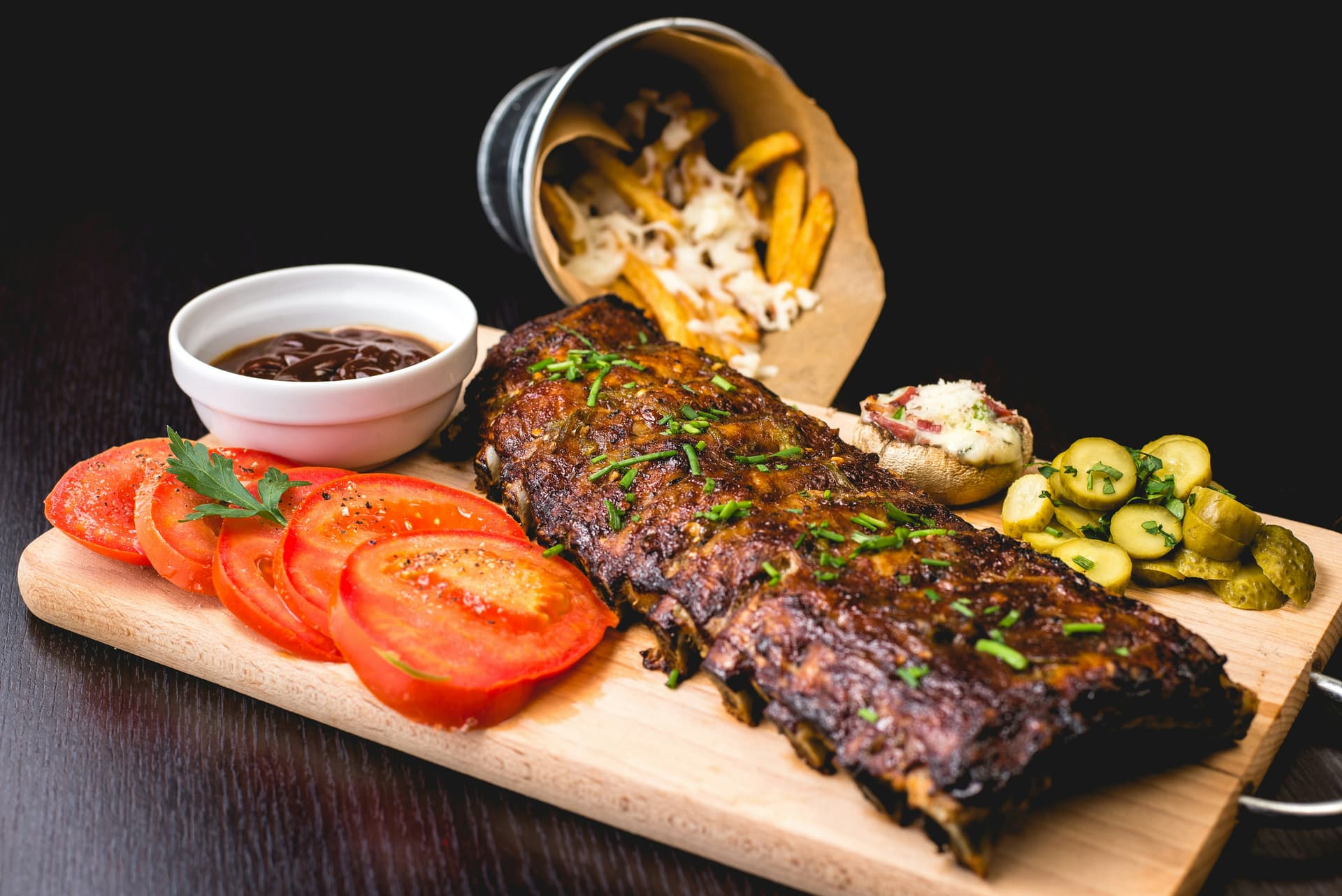
We ordered mid-rare and tested edge-to-center gradient like detectives. A good steakhouse treats carryover heat as a feature, not a surprise. The best bite had crunch from sear, juice without puddle, and fat that tasted like someone basted with intention, not panic.
Sides are where kitchens whisper love. Creamed spinach can be glue; it can also be silk. Potatoes can be sad starch or an excuse to close your eyes. Don’t skip sides to be disciplined—you’ll miss half the meal’s personality. This isn’t a protein-only sprint; it’s a whole plate ensemble.
Wine lists intimidate until you realize they’re menus with better adjectives. Ask for something that cuts fat—staff usually loves a straight question more than a performance of expertise. If you’re not drinking, demand a zero-proof option that isn’t soda dressed in lime cosplay. Steakhouses are learning; help them by ordering bravely.
We left smelling faintly of butter and feeling forgiven for the splurge. That’s steakhouse lighting’s final trick: you step back into the street looking expensive, chewing slower, carrying warmth in your ribs like you smuggled out a little ember.